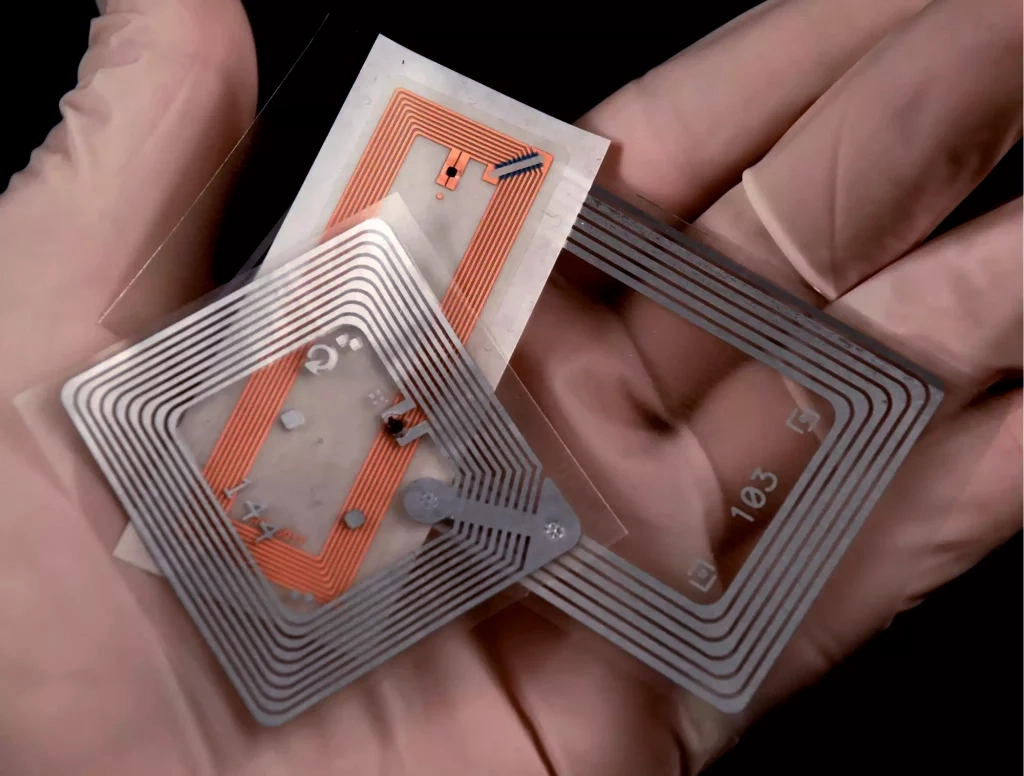
NFC chips
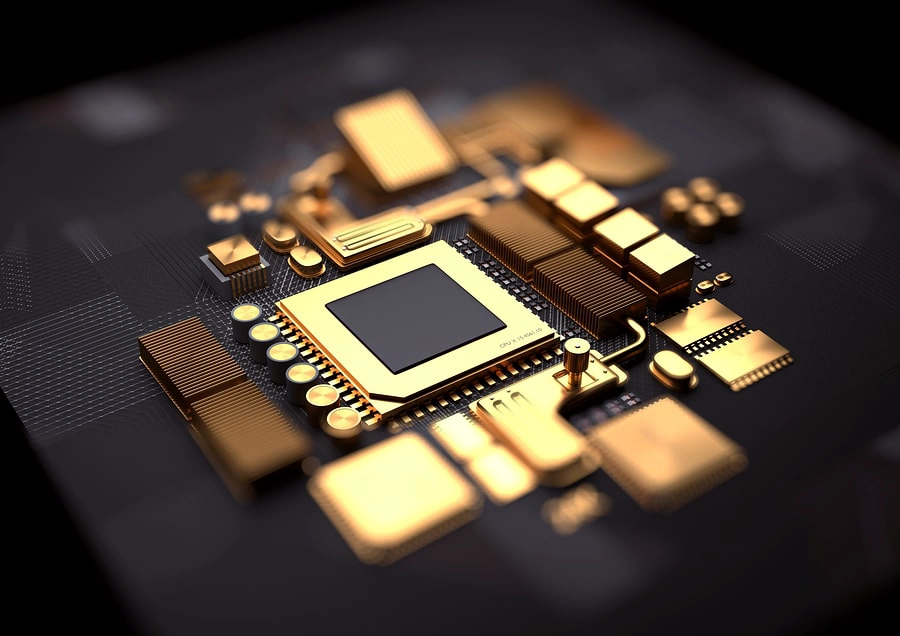
They enable contactless transmission of information and communications. An example we are all familiar with is the "contactless" option on our bank cards. By adding dynamic encryption, the card can generate a new code each time it is used. The level and intensity of the calculations performed by the chips are such that it is impossible to duplicate them, thereby exponentially enhancing their security. Initially used to prevent fraud in online orders, dynamic encryption can now also be integrated into warranty cards associated with luxury products. As these warranty cards are regularly counterfeited, this encryption ensures total security for the company and prevents falsification of the warranty activation process.
Recognition of matter through images
This is the latest technology discussed in this article. It involves taking a fully automated, extremely accurate photo of a product as it leaves production. But what is it used for? Each manufactured part is unique. Minute details differentiate it from others, details that are undetectable to the naked eye. It is thanks to these details and this level of precision that material recognition is able to authenticate each product as an original. This can be compared to a fingerprint. A large number of points on the product are recorded and will then be compared days, months, or years later to confirm the authenticity of the item. Thanks to powerful algorithms and artificial intelligence behind this technology, the natural deterioration of the product does not cause any errors in the recognition of the item. Authenticating products and recognizing whether an item is an original using a photo gives luxury brands a significant advantage in the fight against counterfeiting. To top it all off, this technology creates greater transparency in the market, a concept that is increasingly favored by younger generations.
Blockchain
Currently the most popular technology, it is a process that allows information to be stored and transmitted transparently and securely. Once data is recorded in the blockchain, it becomes tamper-proof. This guarantees the quality of information related to each component and/or intervention on the product throughout its life cycle. The benefits in the luxury sector are particularly sought after. It is used to guarantee traceability and transparency of information in a supply chain, which are very convincing arguments given current trends.The synergy of these three technologies will enable the luxury sector to evolve in a phygital world, where physical goods retain a digital twin that certifies their authenticity and uniqueness, while preserving customer confidentiality. The secure warranty card, issued and activated at the time of sale, ensures the authenticity of the product and serves as a tamper-proof digital passport for entry into the blockchain. Throughout the product's life, image identification ensures that it has not been substituted. Together, these three technologies become a bulwark against counterfeiting. As advantageous as they may be, the implementation of these technologies is an important decision for companies because it entails a complex but essential digital transformation.